

Dubai completes 13 cycling tracks as RTA accelerates 1,000 km mobility vision
Projects align with long-term sustainable mobility and urban planning goals
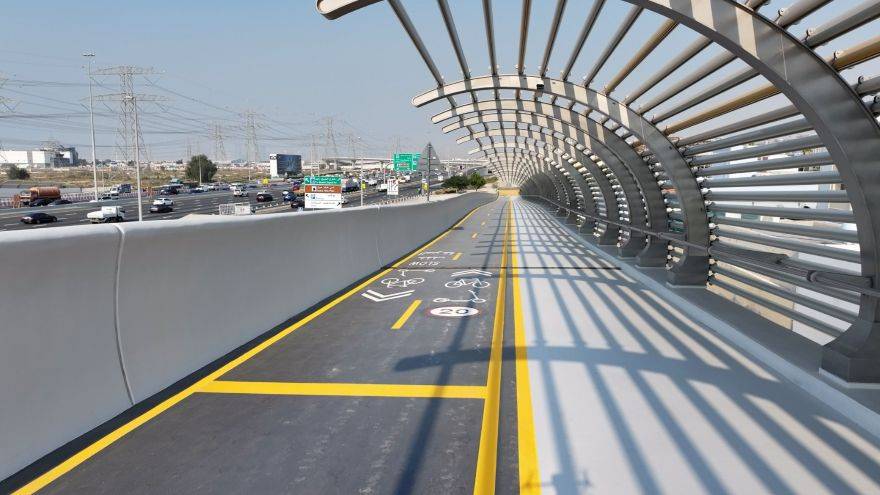
DUBAI – Dubai’s Roads and Transport Authority (RTA) has completed 13 cycling tracks as part of a wider master plan that encompasses 15 tracks spanning a total of 162 kilometres across the emirate.
The development marks a significant step in the city’s long-term strategy to promote sustainable mobility and enhance urban connectivity. The newly delivered infrastructure integrates key residential, commercial and recreational zones, further embedding cycling into Dubai’s evolving transport landscape.
The completed tracks form part of a broader network linking areas such as Al Khawaneej to Al Mamzar Beach, Al Warqa’a to Saih Al Salam, and Dubai International Financial Centre (DIFC) to Jumeirah. These connections are designed to ensure seamless movement for cyclists, while also supporting first- and last-mile journeys linked to public transport systems.
The expansion comes alongside ongoing work on pedestrian and cycling bridges across major roads, reinforcing Dubai’s commitment to safe and efficient mobility solutions. All projects within this phase are scheduled to be opened during the second quarter of the year.
Network growth
The latest developments reflect a steady expansion of Dubai’s cycling infrastructure, which has grown from 560 km at the end of 2024 to 636 km by the end of 2025. The emirate’s long-term objective is to extend this network to 1,000 km by 2030, positioning cycling as a core component of urban mobility.
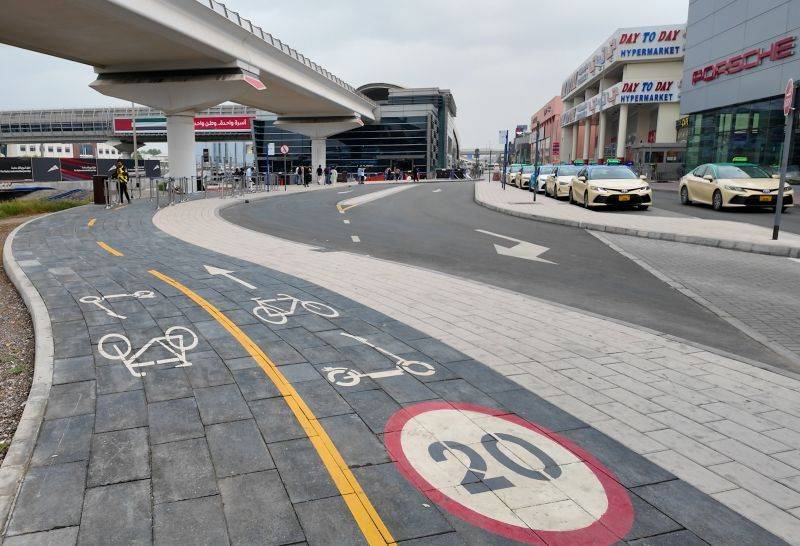
According to Mattar Al Tayer, Director General and Chairman of the Board of Executive Directors of the RTA, the initiative aligns with directives to enhance road safety and create a sustainable mobility environment for all users. The expansion also supports Dubai’s ambition to become a pedestrian- and cyclist-friendly city, contributing to improved quality of life for residents and visitors.
Dubai’s progress has been recognised globally, with the emirate ranked among the world’s top 100 cycling-friendly cities in the 2025 Copenhagenize Index. This milestone makes it the first city in the Middle East to achieve such recognition. The index evaluates cities based on infrastructure quality, cycling adoption rates, policy frameworks and corporate support for cycling initiatives.
Rising demand
The growth of cycling infrastructure has been matched by a sharp increase in usage across the emirate. The number of cycling trips rose from 46.6 million in 2024 to 57.3 million in 2025, representing a 23.5 per cent increase. This surge reflects both improved accessibility and a broader shift towards sustainable transport options.
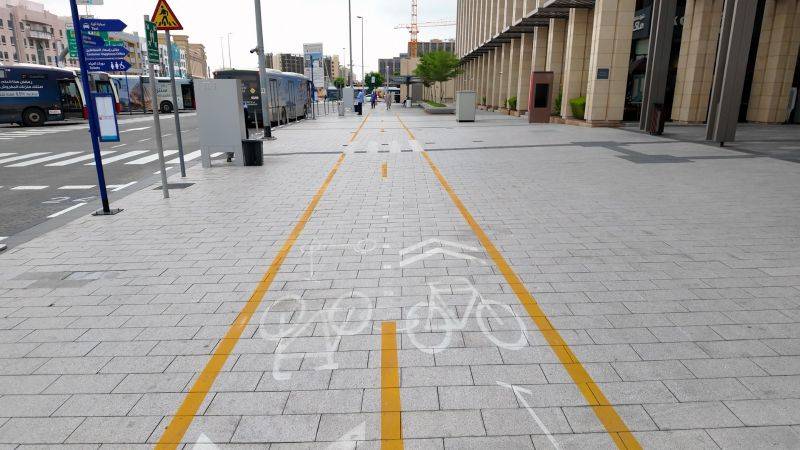
Cyclist satisfaction with infrastructure has reached 85 per cent, indicating strong public approval of the network’s design and functionality. Additionally, 22.3 per cent of Dubai’s population now has access to dedicated cycling infrastructure, highlighting the expanding reach of these facilities.
The RTA has attributed this growth to careful planning and site selection, with track locations determined through comprehensive field studies. Factors such as population density, land use integration, proximity to economic and tourism hubs, and connectivity with public transport systems were all considered in the planning process.
Completed projects
The completed works span multiple districts and include a diverse range of cycling and pedestrian infrastructure. Among them are 18.5 km of tracks delivered in Al Khawaneej 2 and Al Barsha 2 as part of the Model Residential Neighbourhoods Project, comprising 8 km and 10.5 km respectively.
A 700-metre cycling track has also been introduced in the Tolerance District, alongside enhancements under the Soft Mobility Project. This initiative has improved access in areas such as Al Souk Al Kabeer, Hor Al Anz and Abu Hail, while also covering major public transport stations including BurJuman, Sharaf DG, Palm Deira, Baniyas, and Burj Khalifa/Dubai Mall.
Additional upgrades include 25 km of dedicated tracks for bicycles and e-scooters, as well as improvements to pedestrian walkways and the implementation of the Safe Streets concept across internal roads. These measures aim to enhance safety and usability for both cyclists and pedestrians.
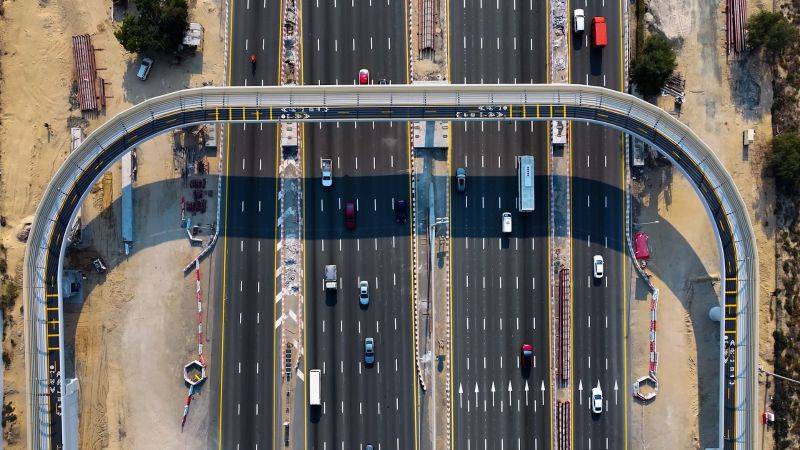
A further 7 km of pedestrian, cycling and micromobility tracks have been completed to connect key locations with ONPASSIVE Metro Station and Al Quoz Bus Station. The project also includes a pedestrian and cycling bridge over Al Manara Street, measuring 45 metres in length, 5.5 metres in width and 6 metres in height. The bridge is equipped with access ramps extending 210 metres on both sides, facilitating smooth movement across the area.
Other completed works include 11 km of tracks at the entrances of Al Warqa’a, linking to existing routes, and approximately 10 km of cycling tracks delivered as part of the Al Shindagha Corridor Development Project.
Bridges ahead
A series of major pedestrian and cycling bridges are currently under development, designed to enhance connectivity across some of Dubai’s busiest corridors. These include a bridge over Sheikh Mohammed bin Zayed Road linking Al Khawaneej to Al Mamzar Beach, and another over Dubai-Al Ain Road connecting Saih Al Salam with Al Warqa’a and Al Khawaneej.
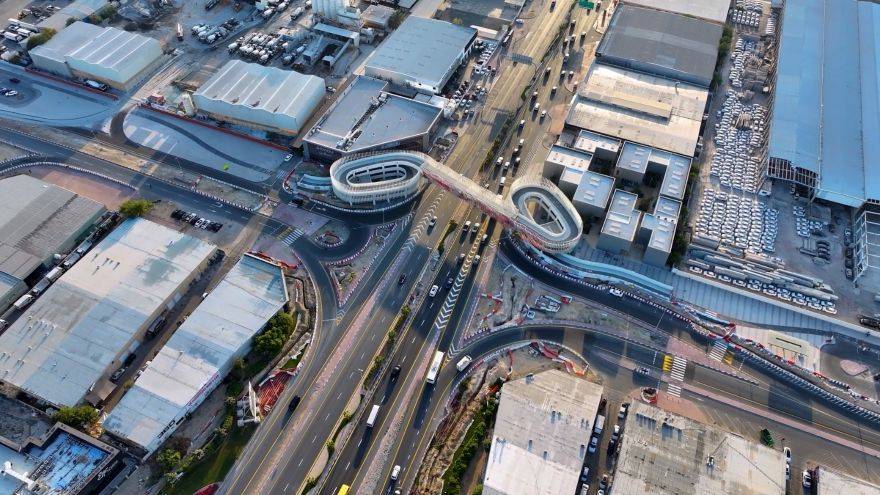
Additional bridges are being constructed over Sheikh Zayed Road and Al Khail Road, connecting areas such as Al Sufouh, Jumeirah, Dubai Hills and Hessa Street. These structures are among the largest of their kind in the emirate and are expected to significantly improve safety and accessibility for non-motorised transport users.
Two particularly notable bridges include one spanning Sheikh Mohammed bin Zayed Road between Al Twar and Al Muhaisnah, with a length of 816 metres, and another crossing Dubai–Al Ain Road linking Dubai Silicon Oasis and Liwan, extending 719 metres.
Future plans
Work is ongoing on several major projects aimed at further expanding the cycling network. The Hessa Street Development Project includes a 13.5 km cycling and e-scooter track with a width of 4.5 metres, divided between cycling lanes and pedestrian pathways. The route will connect Al Sufouh to Dubai Hills and serve 12 key destinations, including Al Barsha and Barsha Heights.
The project incorporates two architecturally distinctive bridges: one spanning Sheikh Zayed Road over 528 metres and another crossing Al Khail Road over 501 metres. Each bridge is 5 metres wide, with dedicated space for cyclists and pedestrians.
The designs draw inspiration from their surroundings, with the Sheikh Zayed Road bridge reflecting connectivity through interwoven structural lines, while the Al Khail Road bridge incorporates flowing forms influenced by sunlight patterns, creating a calmer environment for users.
The Hessa Street track is expected to accommodate approximately 5,200 users per hour, further supporting Dubai’s growing demand for cycling infrastructure.
Additional developments include 64 km of pedestrian and cycling tracks across areas such as Al Warqa’a, Al Qusais, Tunis Street, International City, Dubai Silicon Oasis, Wadi Al Safa, Jumeirah and Al Quoz. The Al Mustaqbal Street Development Project will add 4 km of cycling tracks, alongside a further 7 km across various development zones.
Projects under Al Ruwayyah Street and Wadi Al Safa 5 are also contributing to network expansion, linking key residential and mixed-use communities such as Dubai Academic City, Arabian Ranches 3 and Villanova. Meanwhile, a 2 km cycling track in Al Safa 4 will serve major developments including Falcon City and City of Arabia.